AI Virtual Staging Disclosure Requirements: A Real Estate Agent's Legal Guide
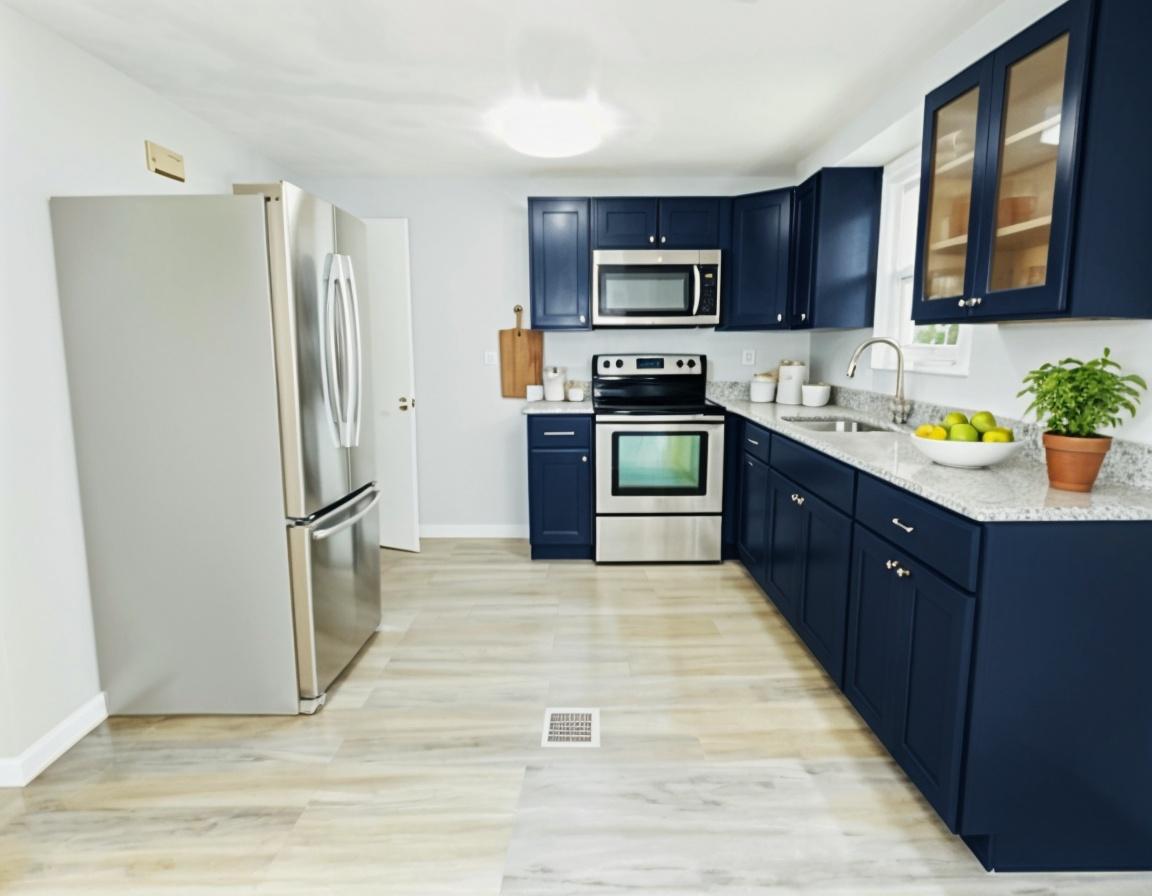
AI virtual staging is transforming how agents market listings — but it's also creating new compliance obligations that many agents aren't aware of.
As a licensed agent in three states (MA, RI, GA) and the founder of a real estate education platform, I've watched this issue evolve from "no one cares" to "MLS violations and license complaints." Here's what you need to know in 2026.
The Core Rule: Disclose Digital Alterations
The fundamental rule is simple: if you digitally alter a property photo, you must disclose it.
This applies to:
- Virtual staging (adding furniture to empty rooms)
- Virtual renovation (showing what a remodel would look like)
- Sky replacement (changing weather/time of day)
- Furniture removal (digitally clearing occupied rooms)
- Wall color changes (showing paint options)
- Any AI-generated modification to property photos
This does not apply to:
- Basic photo editing (brightness, contrast, color correction)
- Lens correction
- Removing minor blemishes
- HDR processing
NAR Guidelines
The National Association of REALTORS® Code of Ethics, specifically Article 12, addresses truthful representation:
"REALTORS® shall be honest and truthful in their real estate communications and shall present a true picture in their advertising, marketing, and other representations."
NAR's guidance on virtual staging requires:
- Clear labeling that images are virtually staged
- Disclosure visible at the time the photo is viewed
- Original (unaltered) photos should also be available
Standard 12-5 states that REALTORS® shall not offer for sale property without the authority of the owner, or offer to buy property by unreasonably misrepresenting the property's actual condition.
Virtually staged photos that don't disclose they're altered could be considered misrepresentation.
MLS Requirements
Most MLSs have adopted specific rules about virtual staging. Here are the common requirements:
Photo Labeling
- Virtually staged photos must include a visible watermark, banner, or caption
- Common labels: "Virtually Staged," "Digitally Enhanced," "AI-Staged Photo"
- The label must be readable in thumbnail and full-size views
Description Disclosure
- The listing description or remarks must mention that virtual staging was used
- Example: "Some photos have been virtually staged to illustrate potential."
Original Photos
- Many MLSs require that at least one un-staged version of virtually staged rooms be included
- The original should be clearly identified
Prohibited Alterations
Most MLSs prohibit:
- Removing structural defects
- Hiding material property conditions
- Making rooms appear larger than they are
- Adding features that don't exist (pools, fireplaces, views)
State-Specific Considerations
While no state has virtual-staging-specific laws (as of 2026), existing real estate disclosure laws apply:
Massachusetts
MA General Laws Chapter 93A (consumer protection) and Chapter 112 §87AAA (license law) require honest representation. The Massachusetts Association of REALTORS® recommends clear disclosure on all digitally altered photos.
Rhode Island
RI Real Estate License Law requires agents to "deal honestly and in good faith." The RI Association of REALTORS® follows NAR guidelines on virtual staging disclosure.
Georgia
GREC (Georgia Real Estate Commission) requires truthful advertising. Georgia's MLS systems generally follow NAR's virtual staging guidelines. GREC has issued informal guidance that digitally altered photos should be clearly labeled.
California
California's Department of Real Estate has been the most proactive, with specific guidance that AI-altered images must be disclosed in both the image and the listing description.
Emerging Legislation
Several states are considering legislation specifically addressing AI-generated content in real estate marketing. Stay informed through your state association.
Fair Housing Implications
This is where virtual staging compliance gets serious.
What Could Go Wrong
Virtually staging a home with culturally specific decor could be interpreted as steering — signaling that a property is intended for a specific racial, ethnic, or religious group.
Examples of problematic staging:
- Adding religious symbols or artwork
- Using culturally specific furniture or decor
- Staging children's rooms in a way that suggests family status preference
- Removing accessibility features in staged photos
Best Practices for Fair Housing Compliance
- Use neutral, contemporary staging — avoid cultural markers
- Don't add or remove people from photos
- Keep accessibility features visible — don't stage over wheelchair ramps, grab bars, etc.
- Run descriptions through a compliance checker — catch phrases that could violate Fair Housing before they go live
- Apply the same staging standards to all listings regardless of neighborhood demographics
Template Disclosure Language
Here are ready-to-use disclosure templates:
For MLS Photo Captions
"This photo has been virtually staged using AI technology. The furniture and decor shown are not included with the property."
For Listing Descriptions
"Select photos in this listing have been virtually staged to help buyers visualize the space's potential. Virtually staged images are clearly labeled. All staging is digital — furniture and decor are not included with the property."
For Social Media Posts
"✨ Virtually staged to show this home's potential! AI-staged photos are labeled. Want to see the real thing? Schedule a showing!"
For Your Website/Portfolio
"Some images on this page have been digitally enhanced or virtually staged using AI technology. These images are intended to help visualize a property's potential and do not represent the actual current condition of the property."
How to Stay Compliant
Before Listing
- Check your MLS's specific rules on virtual staging
- Ensure your staging platform provides disclosure tools
- Save original (un-staged) versions of all photos
- Review staged images for Fair Housing concerns
During Listing
- Label all virtually staged photos clearly
- Include disclosure in listing description
- Make original photos available
- Respond honestly if asked about staging
After Listing
- Keep records of which photos were staged
- Retain original photos for your files
- Document your disclosure compliance
The Platform's Role
Your virtual staging platform should help with compliance, not leave you on your own. Look for:
- AI disclosure badges built into the tool
- Fair Housing compliance checks on listing descriptions
- Guidance on disclosure requirements in the platform's documentation
- Original image preservation so you always have the un-staged version
If your platform doesn't mention compliance at all, that's a red flag. It means they built a tech tool, not a real estate tool.
RealEstateMU.AI includes Fair Housing compliance checks on every listing description and AI disclosure guidance for all staged images. Try it free — 5 credits, no credit card required.
Frequently Asked Questions
Is AI virtual staging legal? Yes. AI virtual staging is legal in all 50 states. However, you must disclose that images have been digitally altered. Failure to disclose can result in MLS violations, license complaints, and potential legal liability.
Do I need to disclose AI-staged photos on social media? Yes. NAR guidelines apply to all marketing materials, including social media. A simple caption noting the image is virtually staged is sufficient.
Can I be sued for using AI virtual staging? If you properly disclose that images are virtually staged, the legal risk is minimal. The risk increases significantly when staging is undisclosed, especially if the staging misrepresents the property's actual condition.
What's the penalty for not disclosing virtual staging? Penalties vary: MLS fines ($500–$5,000), license complaints, NAR ethics violations, and in extreme cases, civil lawsuits from buyers who feel misled. Prevention (disclosure) is far cheaper than defense.
Fab
Founder & Licensed Real Estate Agent
Founder of RealEstateMU.com and AI.RealEstateMU.com. Licensed real estate agent in MA, RI & GA with expertise in real estate technology and AI-powered marketing tools.